
What is Parkinson’s Disease?

Parkinson’s Disease Symptoms
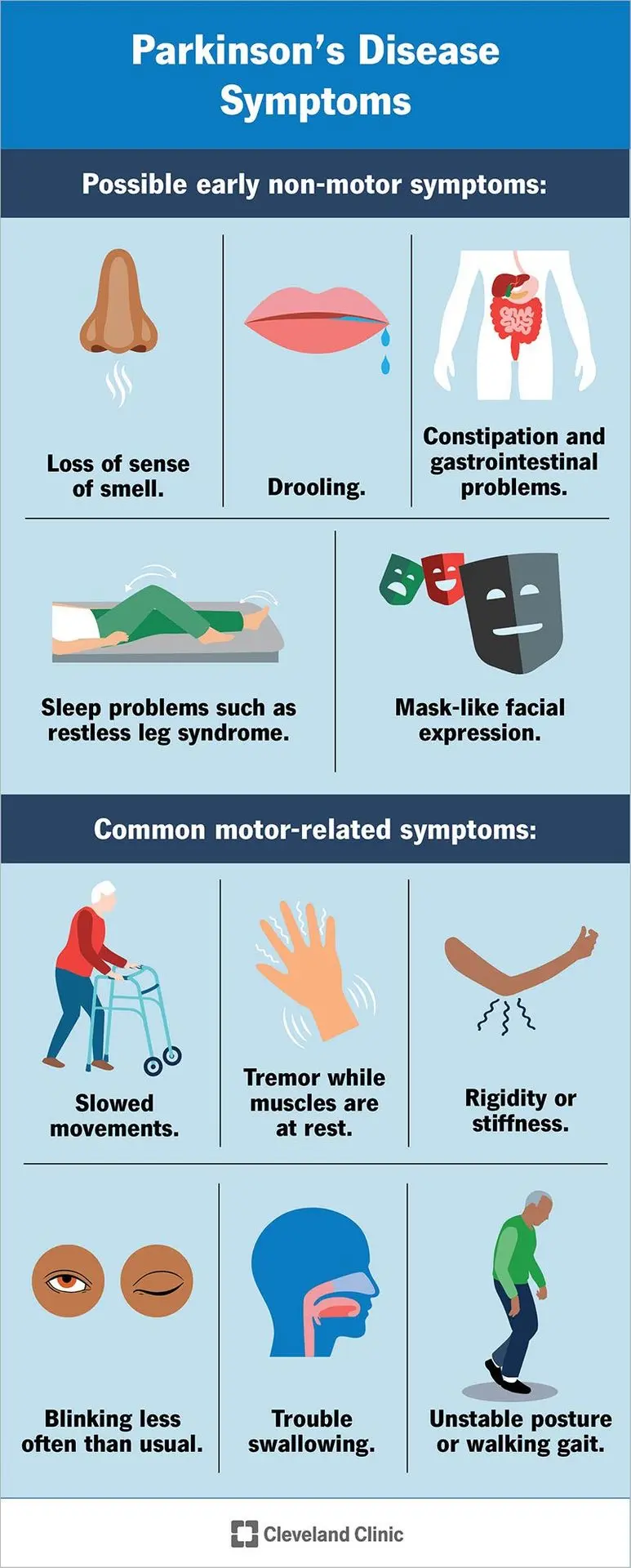
Parkinson’s disease is a progressive neurodegenerative disorder that affects millions worldwide, leading to a wide range of motor and non-motor symptoms. Early recognition of these symptoms is essential for timely diagnosis, effective treatment, and improving quality of life. Patients may experience tremors, muscle rigidity, slow movement (bradykinesia), balance issues, and speech difficulties, which can gradually become more severe as the disease advances.

Early Symptoms
- Mild tremors in hands or fingers
- Slight muscle stiffness (rigidity)
- Subtle changes in handwriting or fine motor skills
- Minor balance issues
- Slight slowness in movements
Advanced Symptoms
- Pronounced rigidity and stiffness
- Bradykinesia (slow movement) affecting daily tasks
- Postural instability and frequent falls
- Speech difficulties and reduced facial expressions
- Shaking in limbs, especially at rest
- Non-motor symptoms: sleep disturbances, mood changes, cognitive challenges
Causes and Risk Factors of Parkinson’s Disease
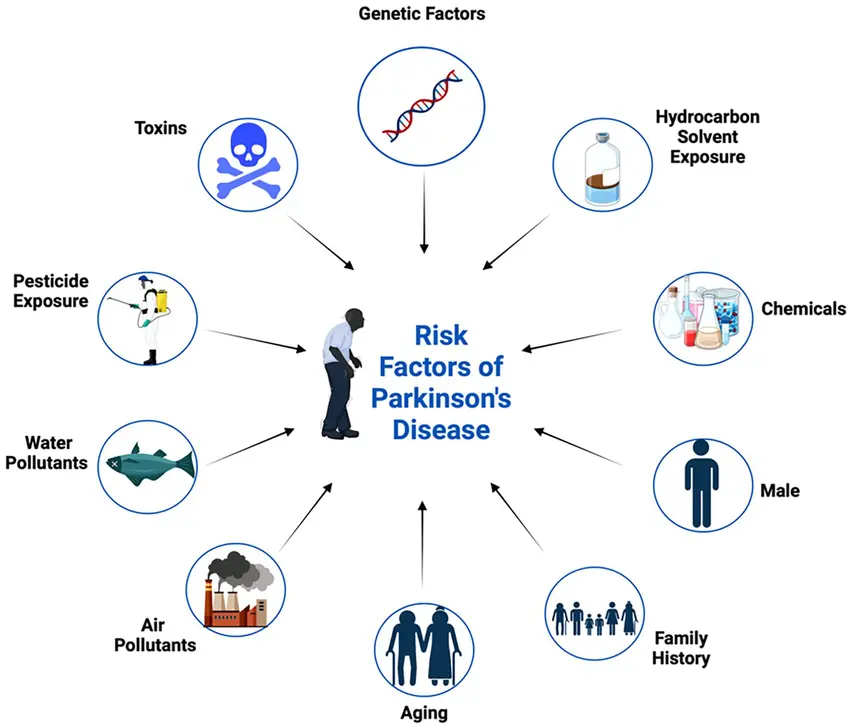
Genetic Factors Read more

- Family history of Parkinson’s disease increases susceptibility
- Specific gene mutations (LRRK2, PARK7, SNCA) may contribute to disease onset
Early and accurate diagnosis of Parkinson’s disease is essential for effective management and treatment. Detecting the disease in its initial stages allows patients to benefit from therapies that slow progression, improve symptoms, and enhance quality of life. Parkinson’s is diagnosed through a combination of clinical evaluations, medical imaging, and specialized tests that assess both motor and non-motor symptoms.
Neurological Exams
- Comprehensive evaluation of motor functions, reflexes, muscle tone, and coordination
- Assessment of gait, balance, and facial expressions
- Helps identify early signs of Parkinson’s disease
Medical Imaging Techniques
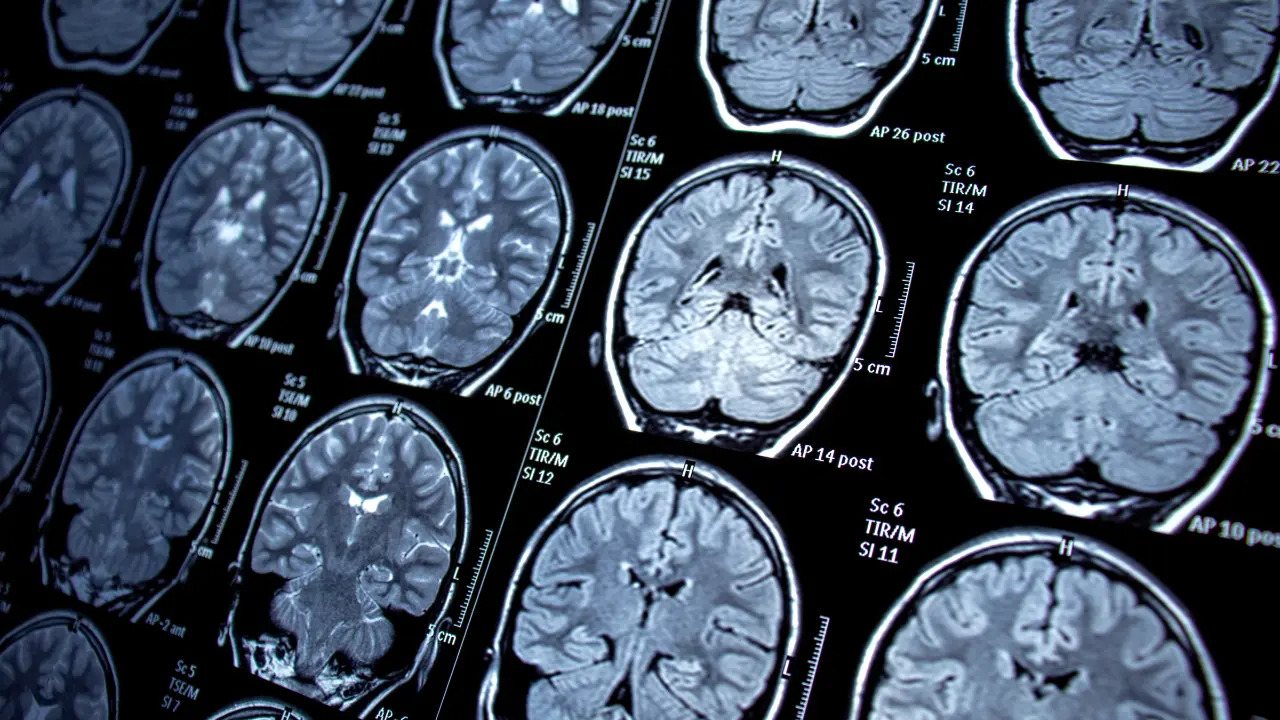
- MRI (Magnetic Resonance Imaging): Detects structural changes in the brain and rules out other conditions
- DaTscan: Specialized imaging to visualize dopamine transporter levels in the brain, highlighting dopamine deficiency

Biomarkers and Laboratory Tests
- Research is ongoing to identify biological markers in blood, cerebrospinal fluid, or other tissues
- Biomarkers may improve early detection and disease monitoring
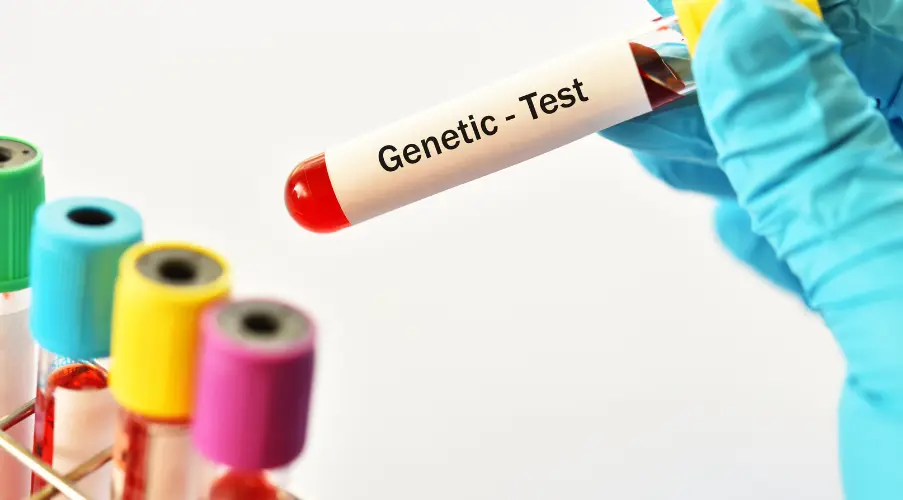
Blood Tests and Genetic Screening
- Can help rule out other conditions with similar symptoms
- Identifies genetic mutations linked to Parkinson’s (LRRK2, SNCA)
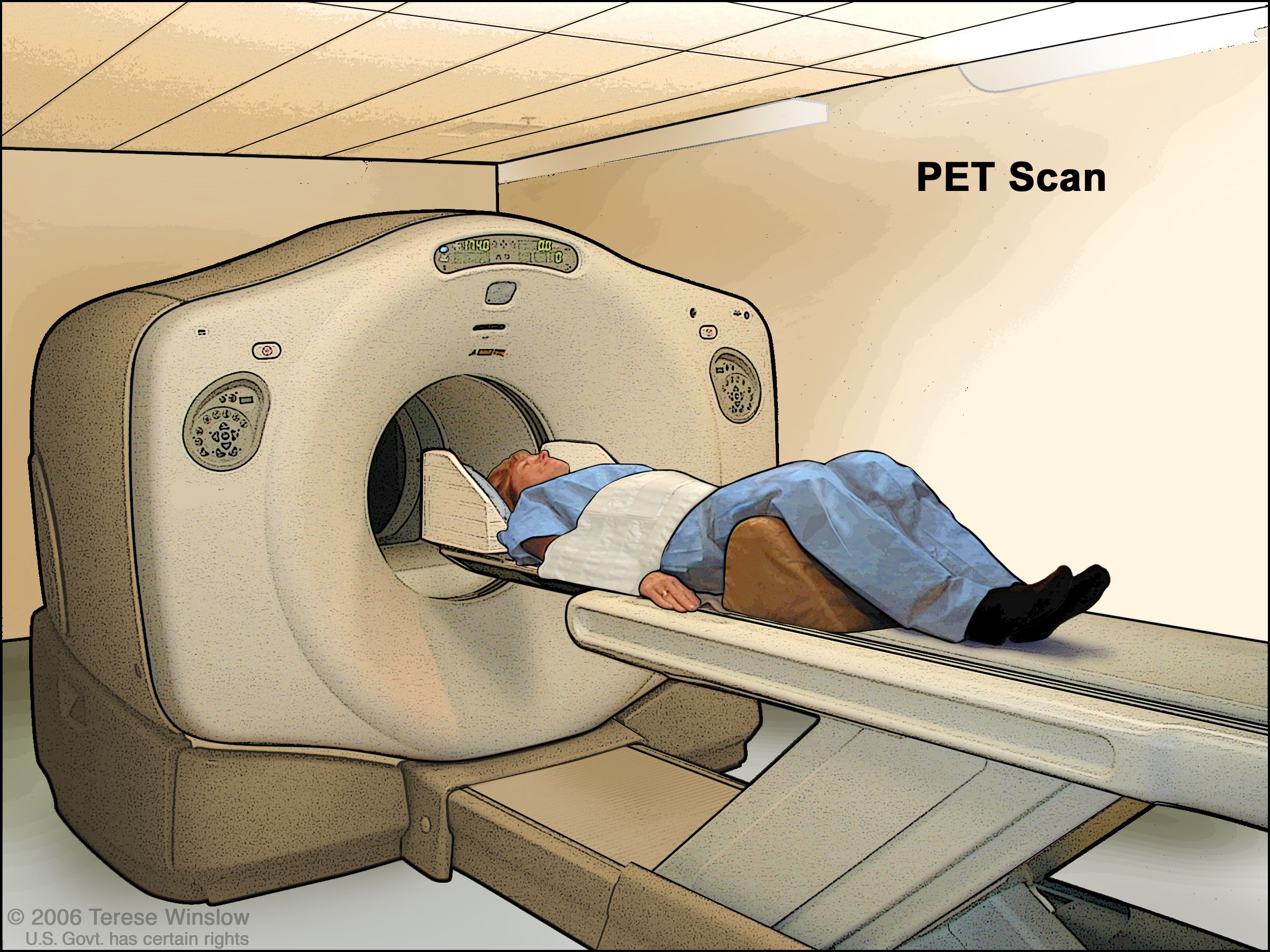
PET (Positron Emission Tomography) Scans
- Measures dopamine activity in the brain
- Useful in research and complex cases

SPECT Imaging
- Another imaging method for dopamine transporter visualization
- Helps confirm Parkinson’s diagnosis in uncertain cases
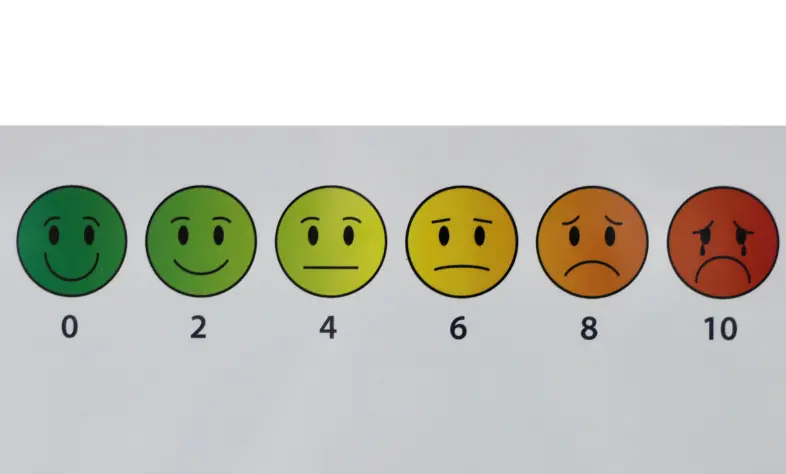
Clinical Rating Scales
- Unified Parkinson’s Disease Rating Scale (UPDRS): Assesses motor and non-motor symptoms, daily functioning
- Tracks disease progression and treatment response
Olfactory Tests and Cognitive Assessments
- Loss of smell is an early non-motor symptom
- Cognitive tests can detect subtle brain changes associated with disease progression
While there is currently no cure for Parkinson’s disease, a range of traditional treatments can help manage symptoms and improve quality of life. Early and effective treatment can reduce motor and non-motor symptoms, enhance daily functioning, and slow disease progression. These therapies include medications, surgical options, and supportive care, which are tailored to each patient’s unique needs.
Medications
- Levodopa (L-DOPA): The most common treatment; converted to dopamine in the brain to reduce tremors, rigidity, and bradykinesia Read more
- Dopamine Agonists: Mimic dopamine effects to improve movement and coordination Read more

- MAO-B Inhibitors: Prevent dopamine breakdown, extending its effects
- COMT Inhibitors: Enhance the effectiveness of Levodopa
- Other medications: Address non-motor symptoms such as depression, sleep disturbances, and cognitive issues
Surgical Options
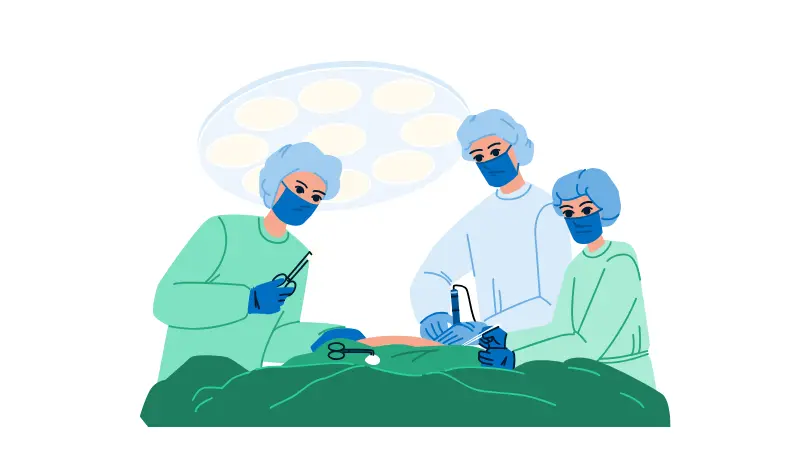
- Deep Brain Stimulation (DBS): Implanted electrodes stimulate brain regions to reduce motor symptoms
- Considered for patients with advanced Parkinson’s or those who respond poorly to medication

Supportive Therapies
- Physical therapy to improve balance, flexibility, and mobility
- Occupational therapy to assist with daily activities
- Speech therapy for voice, speech, and swallowing difficulties
- Lifestyle changes including exercise, diet, and stress management


Mission: Prexton Therapeutics is dedicated to developing innovative drugs that improve the quality of life of people living with Parkinson’s disease and other neurological disorders.

Expertise: The company specializes in designing mGluR4 compounds, a novel class of drugs that target specific receptors in the brain to help restore motor function and reduce symptoms.
Lead Compound Foliglurax: Currently in advanced clinical development, Foliglurax demonstrates the potential to provide symptomatic relief and disease-modifying benefits.

Impact: These innovative therapies aim to complement traditional treatments, offering patients new options for better symptom management and overall brain health.
Frequently Asked Questions (FAQ)
Many patients and caregivers have questions about Parkinson’s disease. Here are answers to some of the most commonly asked questions, providing clear, reliable information for those affected.
Currently, there is no cure, but treatments can manage symptoms, slow progression, and improve quality of life.
Early signs often include mild tremors, stiffness, slow movements (bradykinesia), and subtle changes in handwriting or balance.
While medications are essential, lifestyle approaches like regular exercise, balanced diet, physiotherapy, stress management, and sufficient sleep can complement treatment.